
Writing the Survivors
The FriendThis flow traces the Narrator’s conflict between bearing witness to abuse and resisting the transformation of other people’s pain into literary material.
increasing Bearing strength in each event
 decreasing
Bearing strength in each eventdecreasingA Research Contract
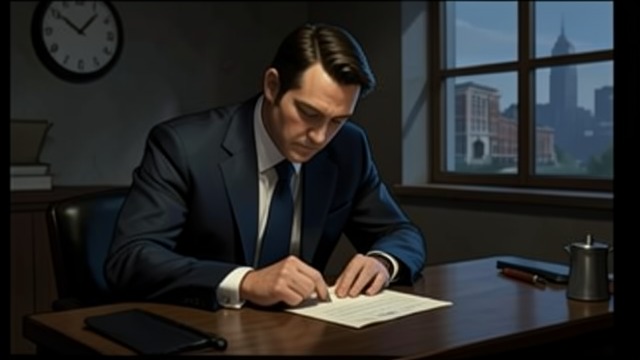
A Research Contract
An opportunity to publish
The Deceased Friend helps the Narrator pitch an article about the treatment center to an editor. A contract and deadline make the workshop part of a professional project as well as community service.
Two motives at once
The Narrator wants to help, to honor an old friendship, and to write. Publication could bring recognition and payment, while the people whose experiences inform the project may receive no direct benefit.
The Rule of Privacy
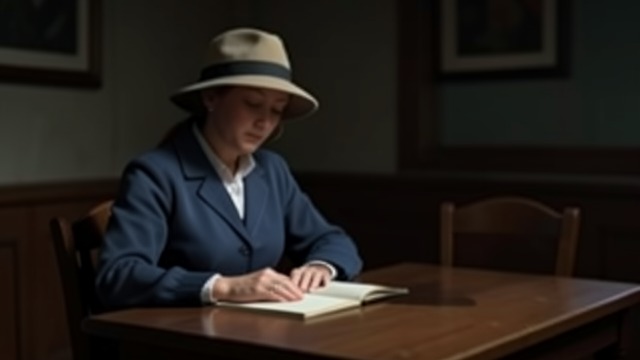
The Rule of Privacy
Journals stay private
The psychologist explains that participants may journal without anyone reading their work. Some women destroy their pages, a choice the center treats as legitimate rather than as failed participation.
Ethical limits
The Narrator promises not to use workshop writing. The promise distinguishes listening from claiming ownership and establishes a boundary that becomes increasingly difficult to honor in a publishable account.
The Repeated Vocabulary

The Repeated Vocabulary
Pain without ornament
The Narrator reads story after story containing the same objects and actions: knives, belts, fists, burns, and screams. Fairy tales written by participants also return to violence and humiliation.
A hard conclusion
The repetition undermines the idea that real suffering will automatically become interesting narrative. The Narrator concludes that actual evil is often monotonous and barren rather than varied or romantic.
The Nauseating Sentence

The Nauseating Sentence
Description becomes appropriation
The Narrator tries to begin with a description of a survivor, then feels nauseated and cannot continue. The precise identifying detail makes the person feel reduced to a literary object.
The writer at the center
She questions whether the project can help victims or deepen her understanding. The person most likely to benefit appears to be the writer, whose career would advance through another person’s testimony.
The Piece Is Dropped
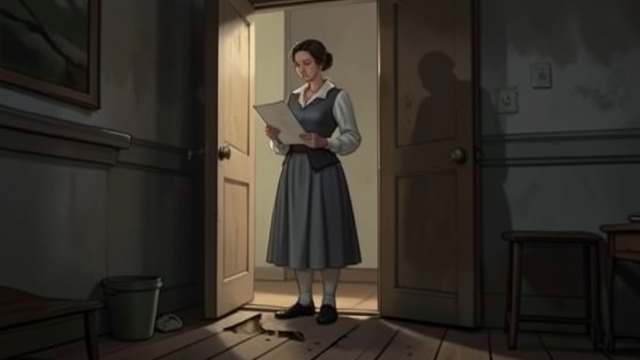
The Piece Is Dropped
Refusing both forms
The Narrator rejects nonfiction that organizes atrocities into clean prose and fiction that makes survivors vivid, mythic characters. She cannot find a way to write without feeling that she is using them.
An unresolved obligation
Abandoning the piece does not answer whether the world needs such testimony. The decision leaves a conflict between the writer’s responsibility to witness and the responsibility not to possess another person’s pain.
After the workshop invitation
Before the workshop begins
During the workshop series
While drafting the contracted piece
Later in the book
